27,000 deaths linked to diabetes in a single year is not a number to wave away. It is a signal that too many people are arriving at care late, after years of silent damage, and too many families are still treating diabetes as a condition that can wait until tomorrow.
The problem is familiar in clinics and homes alike. Someone feels tired, drinks more water, urinates often, loses weight without trying, and assumes it is stress or age. By the time the diagnosis is made, blood sugar has often been running high for months or years. That delay is where the harm starts.
The symptoms that should not be ignored
Diabetes does not always announce itself loudly. Type 2 diabetes can creep in slowly, which is why people can live with it for a long time before they connect the dots.
Common warning signs include:
- passing urine more often than usual
- feeling unusually thirsty
- unexplained weight loss
- constant fatigue
- blurred vision
- sores that heal slowly
- repeated skin, gum, or bladder infections
Type 1 diabetes can develop faster and hit harder. In both forms, a cluster of symptoms is more worrying than one isolated complaint. If someone is over 45, carries excess weight, has a close relative with diabetes, or already lives with high blood pressure or abnormal cholesterol, the threshold for testing should be low.
Why the risk keeps rising
Type 2 diabetes accounts for most cases, and the drivers are not mysterious. Weight gain, low physical activity, and diets heavy in refined starches, sugary drinks, and processed food all push the body towards insulin resistance. Family history adds another layer, which is why some people develop diabetes despite trying to do many of the right things.
The scale of the problem is visible in the numbers behind it. More than 4.5 million adults are estimated to be living with diabetes, and many still do not know it. The condition also travels with other chronic risks, especially hypertension and abnormal lipids, which means one diagnosis often pulls another problem into the room.
This is also why the country’s diabetes burden cannot be separated from everyday life. A desk-bound routine, cheap high-calorie food, and uneven access to screening make the condition easier to miss and harder to control.
How diagnosis usually happens
Testing for diabetes is straightforward. The challenge is getting people to take the step before they feel properly ill.
A clinic or doctor may use:
- a fasting plasma glucose test, which checks blood sugar after an overnight fast
- an oral glucose tolerance test, where blood sugar is measured after a glucose drink
- an HbA1c test, which reflects average sugar control over the past two to three months
Public primary healthcare clinics and community health centres are the usual entry points for many people. Private general practitioners, laboratories such as Lancet and Ampath, and some pharmacies also offer screening. For someone with risk factors, regular checks make more sense than waiting for symptoms to become impossible to ignore.
Treatment is daily work, not a one-off prescription
Managing diabetes means changing what happens between appointments. Medication matters, but so do food choices, movement, weight, and follow-up.
For Type 2 diabetes, metformin is often the first medicine used. Depending on the person’s needs, doctors may add other tablets such as sulfonylureas, DPP-4 inhibitors, SGLT2 inhibitors, or GLP-1 receptor agonists. People with Type 1 diabetes need insulin, and some with advanced Type 2 diabetes eventually do too.
Good control usually includes:
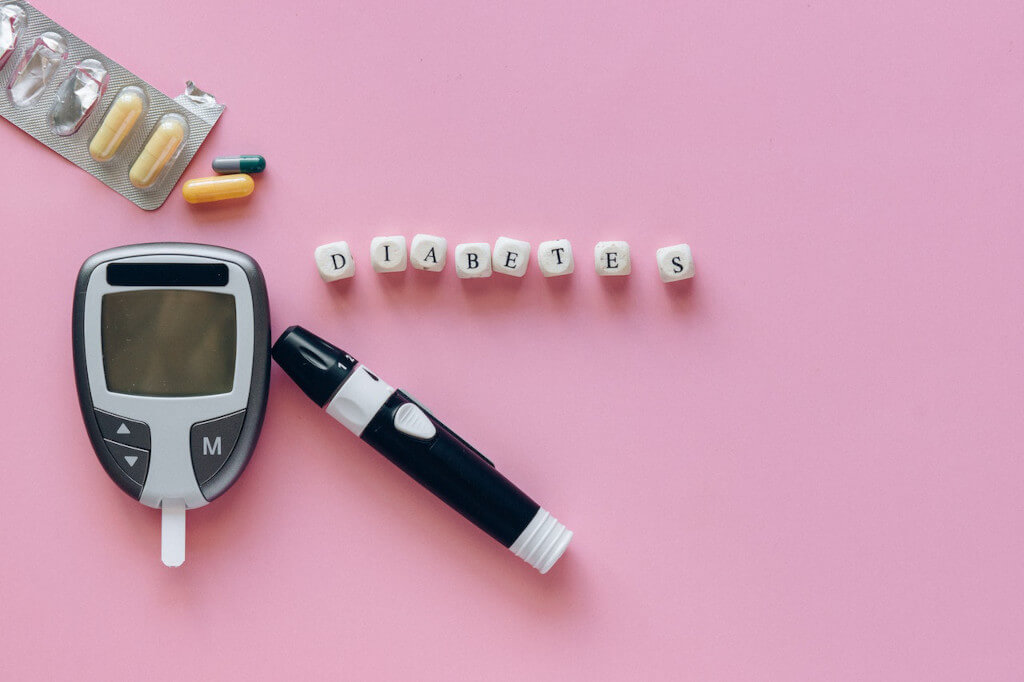
- blood glucose checks at home where needed
- HbA1c testing every three to six months
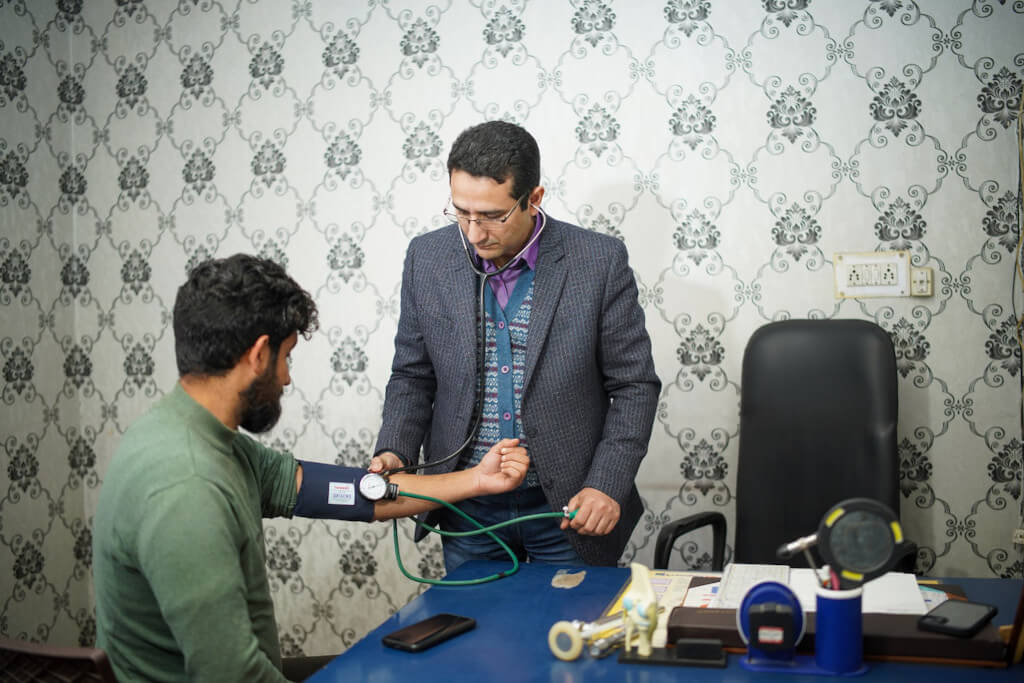
- blood pressure and cholesterol monitoring
- kidney function tests, including checks for early protein leakage
- foot examinations
- yearly eye screening for diabetic retinopathy
The goal is not a perfect number on a lab report. It is fewer complications, fewer admissions, and less damage to the eyes, kidneys, feet, and blood vessels.
What prevention looks like in practice
Prevention is not a slogan. It is a set of boring, repeatable habits that work better than drama.
A practical prevention plan includes:
- moving for at least 150 minutes a week
- cutting back on sugary drinks and highly processed food
- keeping an eye on weight
- asking about screening if there is a family history
- getting checked earlier if blood pressure or cholesterol is already raised
The public health system already has pieces of this in place through primary care clinics, chronic disease programmes, and the Integrated Chronic Disease Management approach. Community health workers also play a useful role by spotting risk early and linking people to services. Diabetes South Africa adds education, support, and advocacy, which fills a gap that a rushed consultation often leaves behind.
The cost of waiting
A diabetes diagnosis can be managed. A late diagnosis can be expensive in every sense. In the public sector, the cost shows up in crowded clinics, preventable complications, and avoidable admissions. In private care, it shows up in repeat visits, tests, medicines, and specialist input that would have been easier and cheaper years earlier.
For people on medical aid, chronic disease benefits may cover parts of screening, medication, and dietitian visits, but the rules differ by scheme. For everyone else, the price of doing nothing is higher than the price of early testing.
Questions to ask your doctor
If you are worried about your risk, ask directly:
- Should I be screened for diabetes now?
- Which test is best for me?
- How often should I have HbA1c checks?
- What signs mean I should come back sooner?
- Do I need an eye, foot, or kidney check now?
- How do my blood pressure and cholesterol affect my risk?
The death toll attached to diabetes in 2023 should not be read as a headline and forgotten. It points to a larger failure of early detection, steady follow-up, and public urgency. Diabetes is not a condition that rewards delay.